Solution IoT industrielle complète
sur une seule facture opérateur
ROSSMA + Orange / SFR / Bouygues = solution IoT industrielle clé en main. L'opérateur obtient un catalogue d'appareils certifiés et la plateforme ROSSMA IIOT-NETS en marque blanche. Le client obtient un seul contrat, une seule facture, un seul interlocuteur
Défis des opérateurs télécom dans l'IoT
Obstacles courants lors de la vente de solutions IoT aux entreprises
Écosystème fragmenté
Une solution IoT complète nécessite 5+ fournisseurs : capteurs de pression, température, analyse de gaz, débit, vibration. Chacun avec son protocole et sa plateforme. L'opérateur passe des mois à intégrer au lieu de vendre.
Pas de revenus au-delà du trafic
Une carte SIM IoT seule génère un revenu minimal pour l'opérateur. Sans offre complète — matériel + plateforme + support — la division IoT peine à atteindre la rentabilité.
Pas de cas d'usage prouvés
Les clients industriels demandent : « Montrez-moi un déploiement dans mon secteur. » Sans cas concrets avec 10 000+ appareils, les opérateurs perdent des contrats.
Incompatibilité avec les DCS
Le pétrole, la chimie et l'énergie fonctionnent sur SCADA et DCS (HART, MODBUS, OPC UA). Les appareils IoT grand public ne parlent pas ces protocoles. ROSSMA le fait nativement.
Coûts d'intégration cachés
Chaque projet pilote prend 2–4 mois, avec 50%+ de la marge absorbée par les intégrateurs. ROSSMA est plug & play : du NDA au pilote fonctionnel en 4–6 semaines.
Concurrence des produits low-cost
Les capteurs bon marché attirent par le prix mais manquent de certification ATEX, de plage de température industrielle (−55 °C) et de support local. Résultat : réclamations et perte de clients.
Ce que ROSSMA apporte à l'opérateur
Six raisons d'ajouter ROSSMA à votre catalogue IoT
Matériel modulaire
Pression, température, analyse de gaz, débit, intégration MODBUS — l'opérateur combine les appareils par projet. Pas de surcoût pour des fonctions inutiles.
Connectivité universelle
LoRaWAN, NB-IoT, LTE, Mesh 868 MHz — tous les standards dans un seul écosystème. L'opérateur vend SIM + matériel + plateforme en un seul forfait.
ROSSMA IIOT-NETS en marque blanche
La plateforme cloud ROSSMA IIOT-NETS est entièrement personnalisable : logo, couleurs, domaine, notifications. Le client voit « Orange IoT Industry » et non ROSSMA.
Certifié ATEX / IECEx
Certification pour les zones explosives 0, 1, 2. Indispensable pour le pétrole, la chimie et les mines — 70% du marché IoT industriel.
10 ans + 10 000 appareils
ROSSMA opère depuis 2016. 12+ entreprises, 10 000+ appareils en production industrielle. Ce n'est pas une startup — c'est une solution éprouvée.
Modèle de partenariat
L'opérateur gagne sur le matériel, la plateforme et la connectivité simultanément. Le client reçoit une seule facture et un support unifié. Les conditions sont discutées individuellement.
Architecture de la solution conjointe
L'opérateur fournit la connectivité et la facturation, ROSSMA fournit le matériel et la plateforme
Appareils pour le catalogue opérateur
Appareils IoT industriels ROSSMA — certification Ex, HART/MODBUS, −55…+85 °C
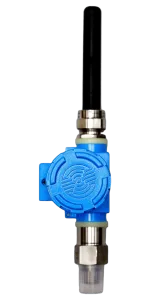
Transmetteur de pression sans fil autonome ROSSMA IIOT-AMS P-METER
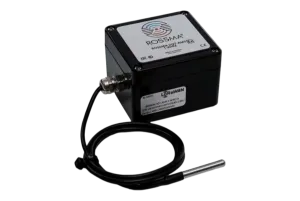
Dispositif de commutation autonome ROSSMA® IIOT-AMS 1-Wire Ex (Capteur de temperature)
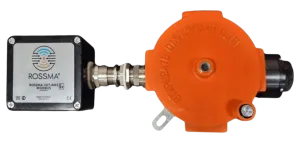
Kit autonome de surveillance de concentration de gaz combustibles (Analyseur de gaz avec LoRaWAN/NB-IoT)
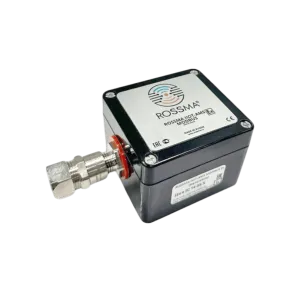
Dispositif de mesure et de commutation ROSSMA® IIOT-AMS MODBUS Ex Stand Alone
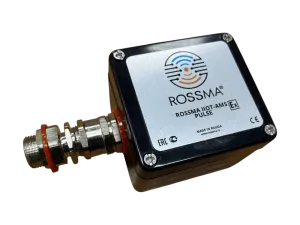
Dispositif autonome de mesure et de commutation ROSSMA® IIOT-AMS Pulse
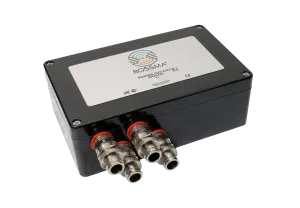
Dispositif autonome de mesure et de commutation ROSSMA® IIOT-AMS ANALOG Ex X4
Scénarios pilotes
Trois modèles de lancement de partenariat
Puits de pétrole — NB-IoT (CEI)
Plateforme de puits en Sibérie. 8 puits, 30 points de surveillance. Appareils ROSSMA → NB-IoT → ROSSMA IIOT-NETS (marque blanche). Lancement : 4–6 semaines. ROI client : 12 mois.
Chauffage urbain — LTE (Europe)
Centrales thermiques et sous-stations. Réseau Mesh ROSSMA dans les sous-sols + backup LTE. Économies sur les inspections : 6K €/an par installation.
Réseau d'eau — NB-IoT (Afrique)
Surveillance de la pression et du débit dans le réseau d'eau. 100+ capteurs → Orange NB-IoT → ROSSMA IIOT-NETS. Détection de fuites en temps réel, réduction de 12% des pertes.
Économie : IoT via opérateur
Un contrat au lieu de dizaines de fournisseurs. Comparaison des approches de déploiement IoT
| Paramètre | Déploiement autonome | Via Opérateur + ROSSMA |
|---|---|---|
| Nombre de contrats | 5–7 (capteurs, connectivité, plateforme, intégrateur) | 1 contrat avec l'opérateur |
| Délai de lancement du pilote | 4–6 mois | 4–6 semaines |
| Compatibilité DCS | Dépend de l'intégrateur | Modbus RTU/TCP, OPC UA, MQTT — natif |
| Support technique | SLA différents par fournisseur | Ligne de support unique, SLA 4 heures |
| Mise à l'échelle | Réintégration lors du changement de matériel | Écosystème modulaire — ajoutez des appareils |
Entreprises utilisant déjà ROSSMA
Questions des opérateurs
Combien de temps dure la certification ?
La plateforme peut-elle être en marque blanche ?
Quel est le volume minimum pour un pilote ?
Quel est le modèle de support ?
Les appareils s'intègrent-ils aux IoT Hubs opérateurs ?
Quand pouvons-nous démarrer un pilote ?
Discutons du programme de partenariat
Nous vous montrerons la plateforme en marque blanche, sélectionnerons le matériel et lancerons un pilote pour votre région. Orange, SFR, Bouygues — nous sommes prêts