Smart City
on Mesh Network Without Gateways
Fire safety, security, environmental monitoring — powered by ROSSMA MeshSens self-organizing Mesh network. Every device is a relay. No base stations, no SIM cards, no monthly fees. The network covers lobbies, basements, and entire neighborhoods
Why Traditional IoT Fails in Cities
Gateways, SIM cards, and blind spots — not designed for urban environments
Fire Safety Without Connectivity
Smoke detectors without IoT only sound a local alarm. Dispatch learns about fires from residents — minutes or hours later, not seconds.
Gateways — Single Point of Failure
LoRaWAN systems depend on base stations. If a gateway fails, the entire monitoring segment goes dark: fire, security, and environmental sensors.
No Centralized Monitoring
Fire alarms, security, leaks, environment — separate silos. No unified view of building, block, or district status.
Slow Emergency Response
Without automated alerting, incident-to-response time is measured in hours. Damage from fire, flooding, or break-in grows exponentially.
NB-IoT/GSM Monthly Fees
Every SIM-equipped sensor costs $2-3/month. At 1,000 points per district — up to $3,000/month forever.
Blind Spots in Lobbies and Basements
Concrete floors, steel doors, and underground utilities block LoRaWAN and cellular signals. The most vulnerable locations have no coverage.
MeshSens — Smart City Without Gateways
Every device extends the network. Fire, security, and environmental IoT — in one Mesh network
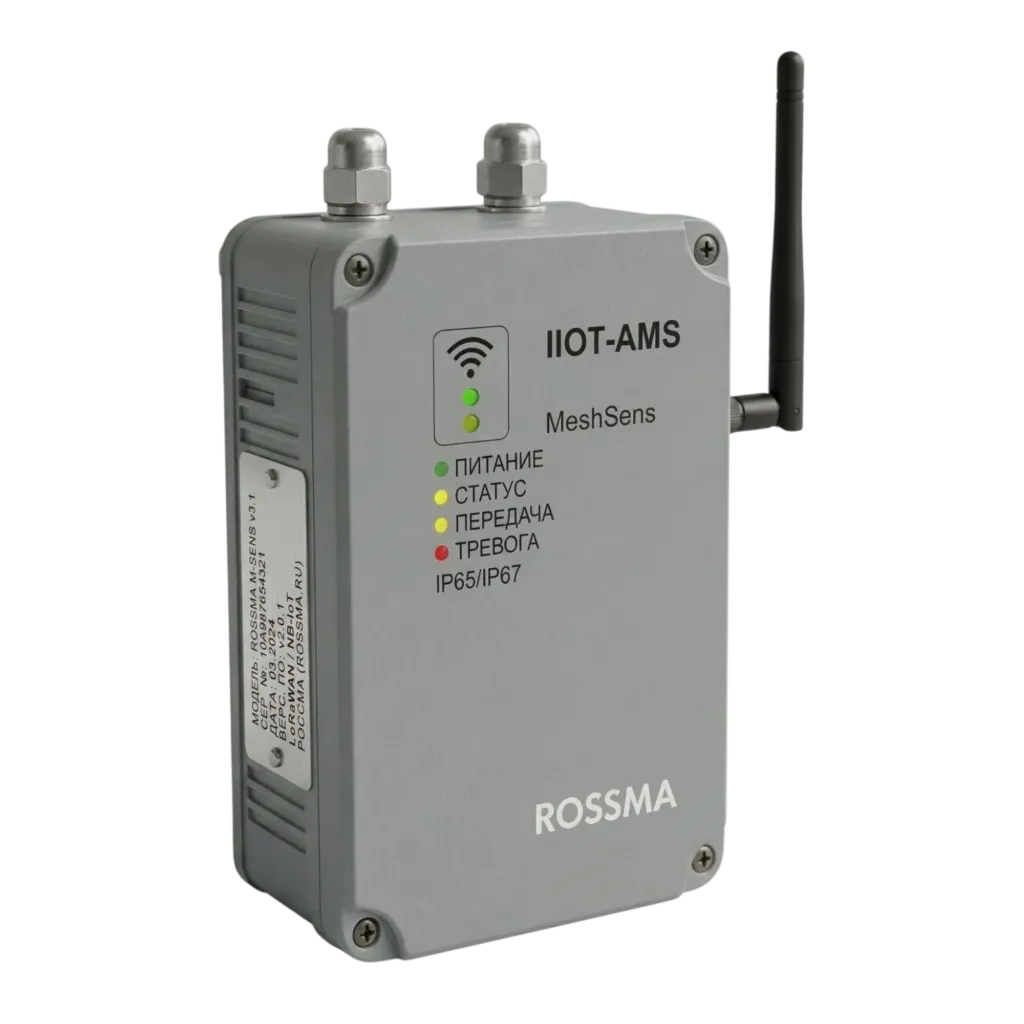
Mesh Without Base Stations
Every MeshSens is a transceiver at 868 MHz. A smoke detector in an apartment relays through a hallway node, which relays through a rooftop node. The network builds itself, covering lobbies, basements, and courtyards.
IoT Fire Alarm
ROSSMA Smoke Detector transmits alarm in <3 seconds through the Mesh network. Automatic notification to dispatch, fire department, and residents via SMS, Telegram, email.
Security & Panic Buttons
ROSSMA Alarm Button in lobbies, parks, social facilities. Instant alert with coordinates. Door/hatch open sensors, valve monitors — wireless access control.
$0/mo — No Hidden Costs
No SIM cards — no cellular fees. No gateways — no infrastructure costs. 868 MHz ISM band — license-free. Pay once for hardware — works for years.
Environmental Monitoring
Temperature, humidity, leaks, gas detection. Basement, server room, substation, and outdoor monitoring. Early warning of incidents and parameter exceedances.
ROSSMA.NETS Platform
All sensor types in one interface: fire, security, environmental, engineering. Facility map, ISA-18.2 alarms, reports, Telegram bot for dispatchers.
Architecture: Mesh Network for a Neighborhood
Every node is a relay. The network covers lobbies, basements, and courtyards without a single gateway
Smart City Equipment
MeshSens and safety, monitoring, and automation sensors
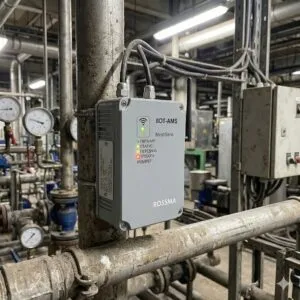
ROSSMA IIOT-AMS MeshSens — Utility Mesh Monitoring for Multi-Apartment Buildings
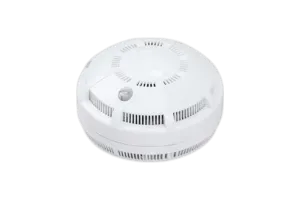
Autonomous Measuring and Switching Device ROSSMA® IIOT-AMS Smoke Detector
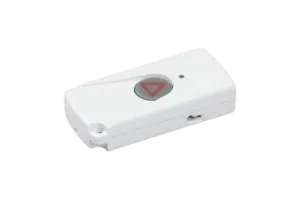
Autonomous Measuring and Switching Device ROSSMA® IIOT-AMS Alarm Button (Panic Button)
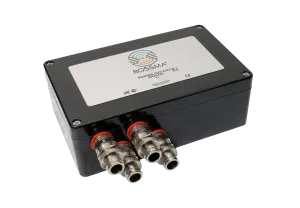
Autonomous Measuring and Switching Device ROSSMA® IIOT-AMS ANALOG Ex X4
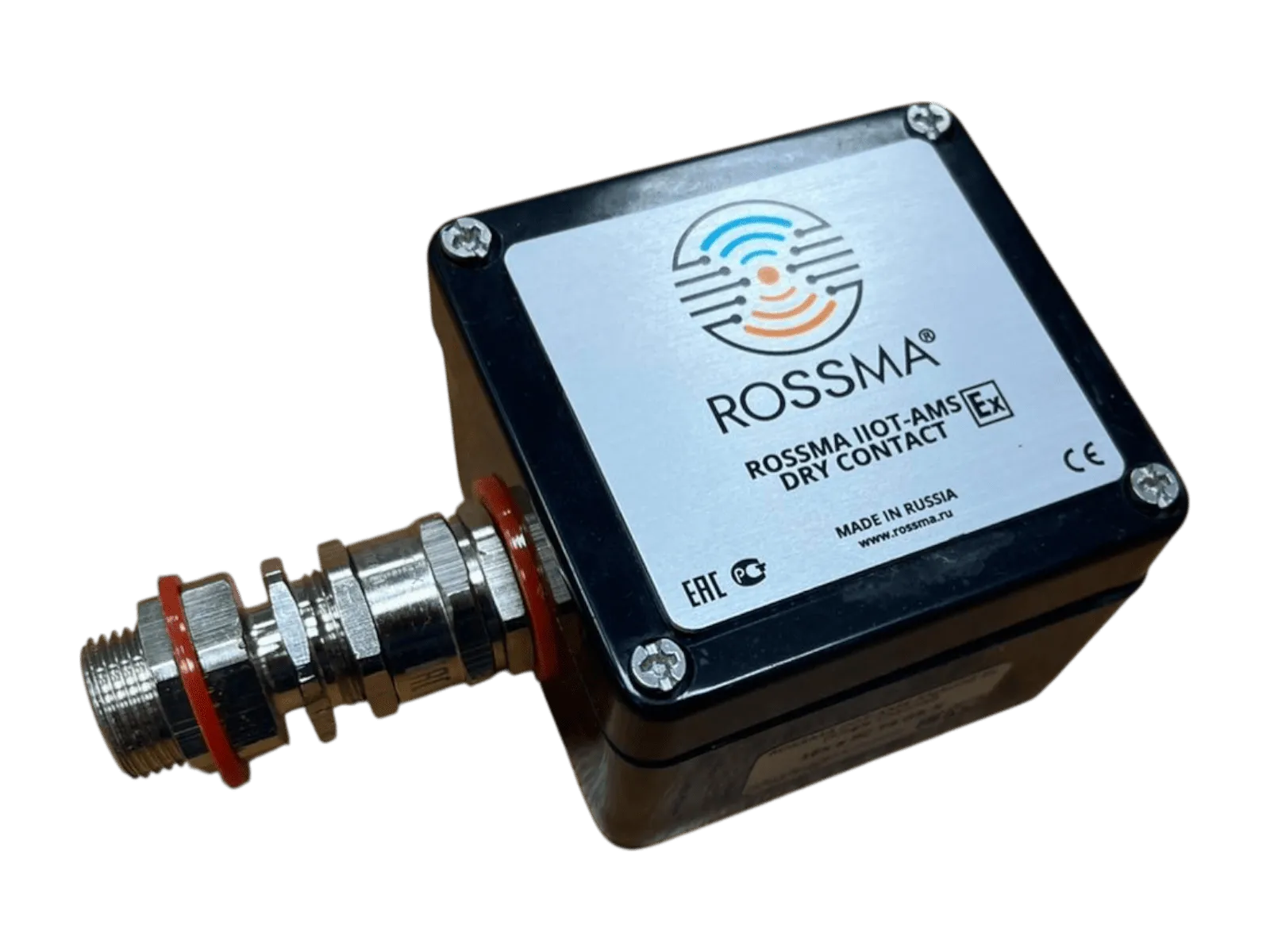
Autonomous Measuring and Switching Device ROSSMA® IIOT-AMS Dry Contact
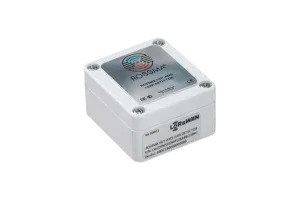
Autonomous Measuring and Switching Device ROSSMA® IIOT-AMS Leak Detector
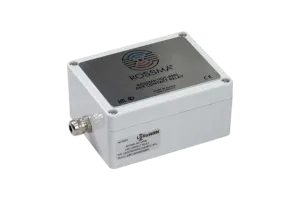
Switching Device ROSSMA® IIOT-AMS Dry Contact Relay
Economics: MeshSens vs Traditional Solutions
Total cost of ownership for a district (100 buildings, 1,000 points)
| Parameter | MeshSens | LoRaWAN | NB-IoT/GSM |
|---|---|---|---|
| Base stations | Not needed | 1 per 5 km | Cellular network |
| Monthly fees | $0/mo | $0/mo | $2–3/device/mo |
| Basement coverage | Mesh relay | Blind spots | No signal |
| Scaling | Add a node | New gateway | New SIM card |
| Single point of failure | None | Gateway | Carrier |
| Alert delivery | <3 sec | <3 sec | 5–30 sec |
Key Economic Advantages
Frequently Asked Questions
How is MeshSens different from LoRaWAN in a city?
How does Mesh work in high-rise buildings?
How fast does an alarm arrive?
What safety sensors are supported?
Is internet required?
How many devices can be connected?
What is the sensor battery life?
Can it integrate with city management systems?
Ready for Mesh Monitoring in Your City?
Get a MeshSens system quote — from one building to an entire district