Gas Pipeline &
Distribution Network Monitoring
ROSSMA wireless Ex-rated pressure and flow sensors for continuous gas pipeline monitoring. Leak detection, valve security, SCADA integration. LoRaWAN up to 15 km, NB-IoT for remote sections
Gas Transport Challenges
Leaks, unauthorized access, and lack of real-time data threaten safety and economics
Gas Leaks
Pipeline leaks cause environmental damage, regulatory fines, and explosion risk. Traditional detection (patrol, flyover) is periodic, not real-time.
Unauthorized Valve Access
Illegal taps, gas theft, valve tampering. Without 24/7 valve position monitoring, incidents are discovered late.
No Cables Along Pipeline Route
Pipelines stretch tens to hundreds of kilometers through wilderness. Cable runs along the route are economically impossible.
Manual Patrol — Slow & Dangerous
Inspectors check the route once daily or less. Between patrols, leaks and incidents develop undetected. Winter drives are dangerous.
Hidden Corrosion & Degradation
Internal and external corrosion develops over years. Without continuous P/T monitoring, degradation is found only at failure.
No Real-Time Data for Dispatch
GTS dispatcher cannot see pressure, flow, or valve status on the linear section in real time. Decisions are based on outdated data.
ROSSMA Capabilities for Gas Transport
Continuous pressure, flow, and valve monitoring across the entire pipeline
Pressure at Every Node
P-METER Ex — autonomous wireless pressure transmitter, 1Ex db IIC T5 Gb. 10-year battery. LoRaWAN every 1-10 min. Install at every node: GDS, GRP, block valves, taps.
Flow Balance — Inlet/Outlet
Pulse Ex measures gas flow at inlet and outlet points. Balance comparison detects losses and localizes the leak section without special equipment.
Leak Detection — Pipeline Leak Detector
ROSSMA Pipeline Leak Detector — leak detection and localization system using NPW analysis, AI/ML (Isolation Forest), hydraulic gradient, and material balance. Localization accuracy: ±50 m.
Valve Security — VPM
Dry Contact VPM monitors valve position (% open/close). Dry Contact Ex and ESD detect unauthorized access, vibration, and tampering. Instant dispatcher alert.
LoRaWAN + NB-IoT
LoRaWAN covers up to 15 km on open route per base station. NB-IoT via cellular for remote sections without LoRaWAN coverage. Both standards in one ROSSMA device.
ROSSMA.NETS — GTS Control Center
Unified platform: pipeline map with pressure at every node, trends, ISA-18.2 alarms, 9 report types. Integration via Modbus TCP, OPC UA, MQTT.
Architecture: From Block Valve to GTS Dispatch
Ex sensors at every pipeline node — wireless transmission to unified monitoring center
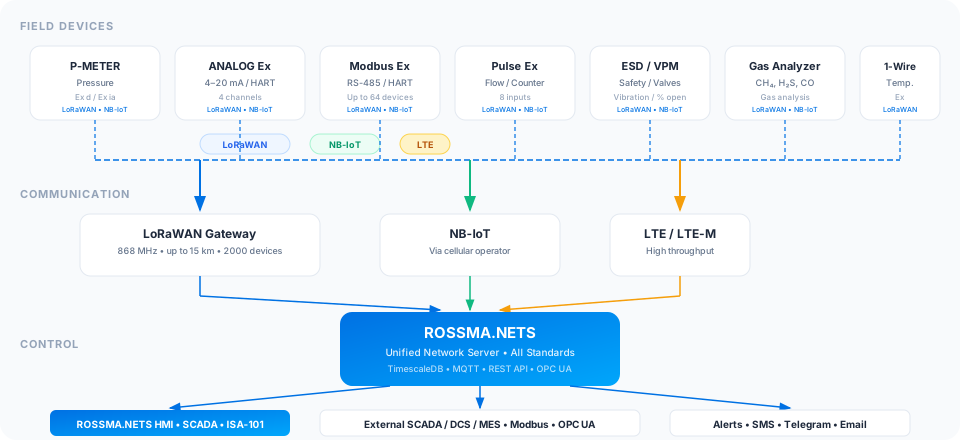
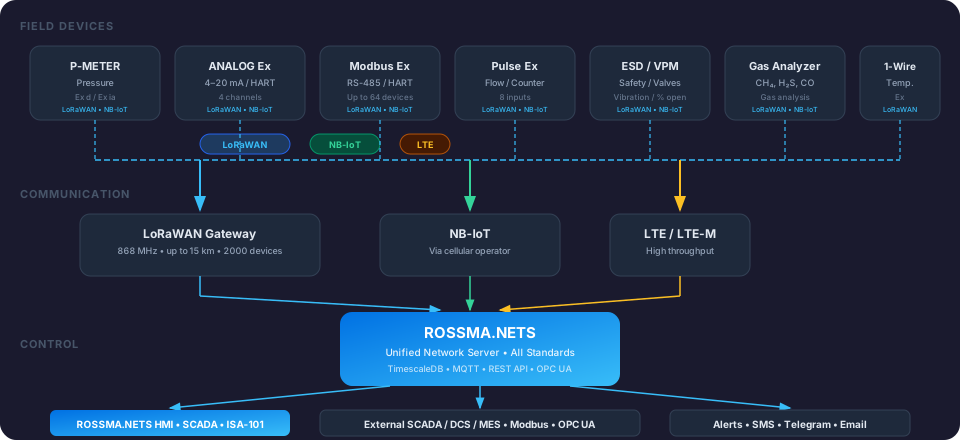
Gas Transport Equipment
Ex-rated pressure, flow, and valve position sensors for gas pipelines
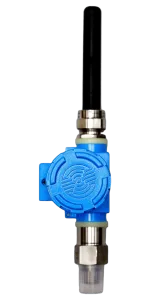
Autonomous Wireless Pressure Transmitter ROSSMA IIOT-AMS P-METER
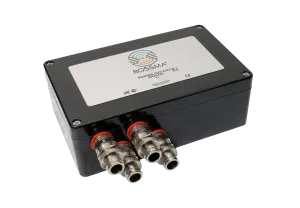
Autonomous Measuring and Switching Device ROSSMA® IIOT-AMS ANALOG Ex X4
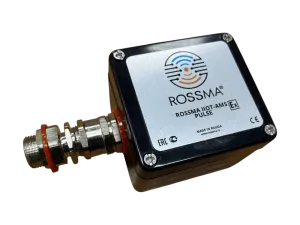
Autonomous Measuring and Switching Device ROSSMA® IIOT-AMS Pulse
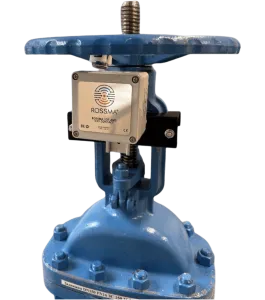
Autonomous Measuring and Switching Device ROSSMA® IIOT-AMS Dry Contact VPM (Valve Position Monitor)
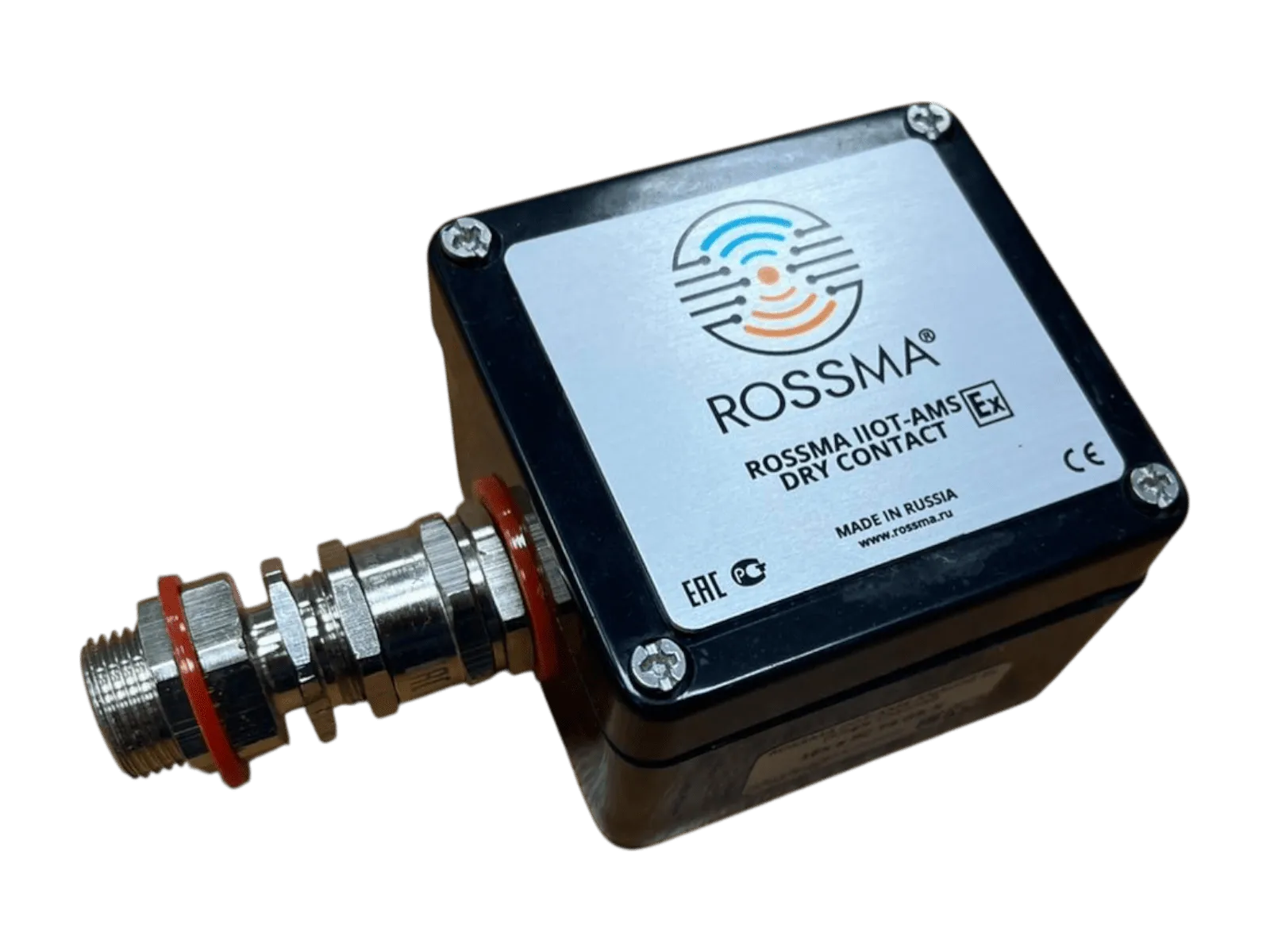
Autonomous Measuring and Switching Device ROSSMA® IIOT-AMS Dry Contact
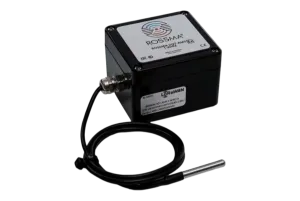
Autonomous Switching Device ROSSMA® IIOT-AMS 1-Wire Ex (Temperature Sensor)
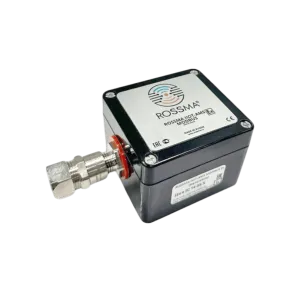
Measuring and Switching Device ROSSMA® IIOT-AMS MODBUS Ex Stand Alone
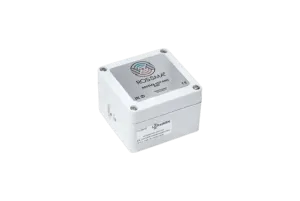
Autonomous Switching Device ROSSMA® IIOT-AMS ESD (Equipment Security Device)
Economics: Manual Patrol vs ROSSMA IoT
Monitoring cost comparison for a 50 km pipeline section
| Parameter | Manual Patrol | ROSSMA IoT |
|---|---|---|
| Monitoring frequency | Once daily (inspector) | 24/7 real-time |
| Leak detection | Days to weeks | Minutes (pressure drop) |
| Valve security | None | 24/7 VPM + ESD |
| Dispatch data | Paper logs | Online map + trends |
| Operating cost | Inspector payroll + transport | $0/mo (10-year battery) |
| Scaling | Hire more inspectors | Add sensor in 15 min |
Key Economic Advantages
Frequently Asked Questions
How to monitor a 100+ km pipeline?
What is Pipeline Leak Detector?
Is there Ex certification for gas facilities?
How does valve security work?
NB-IoT for remote sections?
SCADA integration?
Autonomy on the linear section?
Cost per km of pipeline?
Ready to Digitize Your Gas Transport Network?
Get a monitoring system quote for your pipeline — from node pressure to leak detection