Digital Oilfield —
No Wires, No Compromise
ROSSMA smart switching devices are not data transmitters — they are edge automation controllers with HART and MODBUS support. They manage processes when offline, store measurement archives, and execute setpoint algorithms. 12 oil & gas companies already run 10,000+ devices in production
Why Standard IoT Fails at Oilfields
Common issues oil & gas operators face when deploying "smart" sensors
Sensor without connectivity = blind spot
Most IoT devices are just data transmitters. Lost cellular signal in the tundra? You lose visibility. ROSSMA keeps managing the process autonomously and buffers up to 50,000 readings.
ESP downtime — $15K+/day in lost production
Unplanned pump shutdown means 5–15 tons of lost oil. Without continuous pressure and temperature monitoring you learn about the problem when production has already stopped.
Connectivity drops — process doesn't wait
Remote wellpads in Siberia and the Arctic have unstable cellular coverage. Standard IoT systems go dark. ROSSMA doesn't: device-level setpoints fire even offline.
Wired SCADA — $30K–60K per wellpad
Traditional wired automation requires trenching, cable trays, and control cabinets. At fields with dozens of pads this is an unaffordable budget.
Vendor lock-in to a single protocol
Being tied to one protocol (LoRaWAN only or NB-IoT only) is limiting. All ROSSMA devices run on a universal secure protocol — switch between LoRaWAN, NB-IoT, and LTE without replacing hardware.
No digital audit trail for regulators
Regulators require documented proof of continuous parameter monitoring. Paper logs and manual rounds are yesterday's technology and grounds for penalties.
What Makes ROSSMA Different from "Standard IoT"
Six technology innovations competitors don't have
Smart Switching Devices, Not Sensors
ROSSMA produces intelligent automation switching devices that convert analog field instrument signals (4–20 mA, 0–10 V, thermocouples) to digital, interface with HART and MODBUS industrial protocols, and control process equipment via HH/H/L/LL setpoints. When connectivity drops, devices continue executing algorithms and buffer up to 50,000 readings.
One Protocol for All Standards
ROSSMA's proprietary secure protocol works over LoRaWAN, NB-IoT, LTE, and 868 MHz Mesh. One ecosystem, one server, one SCADA. Mix standards on a single site: LoRaWAN at remote pads, LTE at LACT units, Mesh in processing areas. Zero vendor lock-in.
Built-in SCADA — ROSSMA.NETS HMI
No need for WinCC, Wonderware, or other third-party SCADA. ROSSMA.NETS includes a full HMI system: process graphics, trends, ISA-18.2 alarms, 9 report types, AI/ML analytics. Supports 10,000+ devices. Everything out of the box, no external licenses.
Equipment Control & Security
Valve position monitoring in % open/close (Dry Contact VPM). Static equipment security against unauthorized access and theft — vibration detection, contact sensor triggering (ESD). Alarm signaling on setpoint breach.
Ex Certified for Zone 0, 1, 2
ATEX / TR CU 012/2011 certified. Protection: Ex d (flameproof enclosure), Ex ia (intrinsically safe). IP67 stainless steel housings. Operating range −55 to +85 °C. Proven from Tobolsk to De-Kastri.
WellPAD — Turnkey Well Pad Cabinet
Ready-to-deploy automation cabinet: base station, Edge server with ROSSMA.NETS, 4-hour UPS, LTE uplink to dispatch. ~30 monitoring points per 8-well pad, installation in 1–2 days, cost ≤$15K vs $30–60K for wired SCADA. IP65 climate cabinet, Astra Linux, CII/FSTEC certified.
Architecture: From Wellhead to Control Room
Three system tiers — field devices, network, management platform
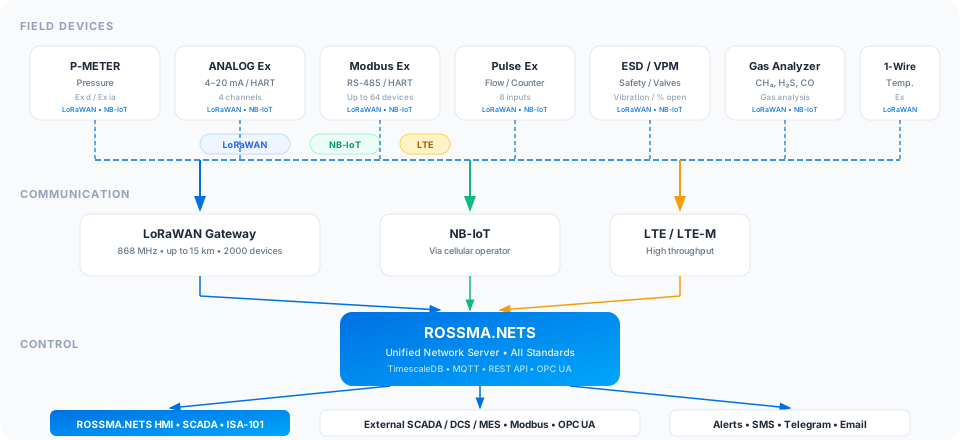
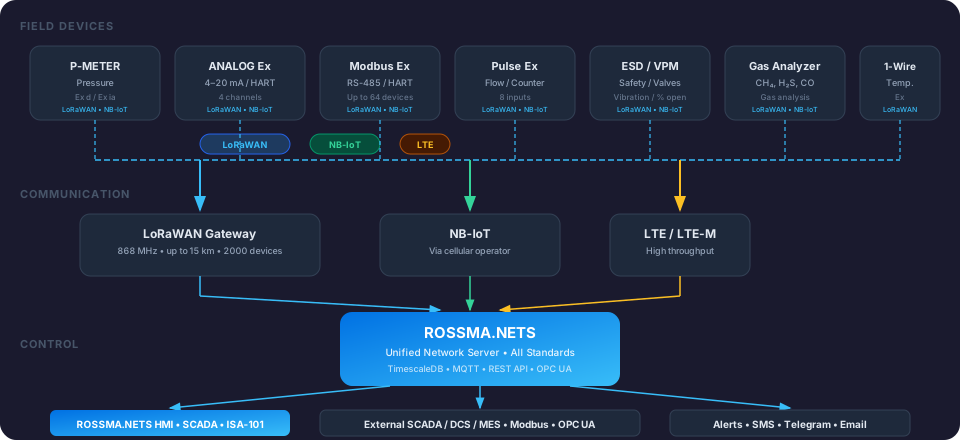
Field Equipment
Smart automation switching devices, sensors, and kits for oil & gas — Ex-rated, HART, MODBUS
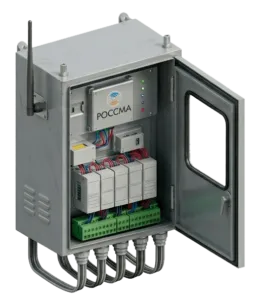
ROSSMA IIOT-WellPAD | Well Pad Automation Cabinet
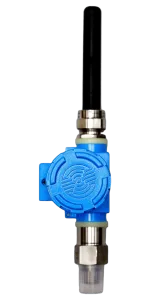
Autonomous Wireless Pressure Transmitter ROSSMA IIOT-AMS P-METER
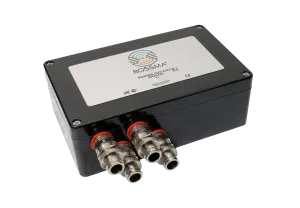
Autonomous Measuring and Switching Device ROSSMA® IIOT-AMS ANALOG Ex X4
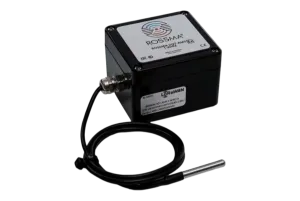
Autonomous Switching Device ROSSMA® IIOT-AMS 1-Wire Ex (Temperature Sensor)
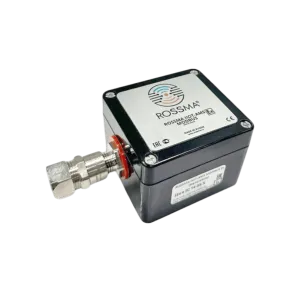
Measuring and Switching Device ROSSMA® IIOT-AMS MODBUS Ex Stand Alone
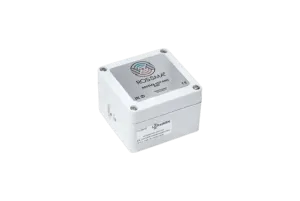
Autonomous Switching Device ROSSMA® IIOT-AMS ESD (Equipment Security Device)
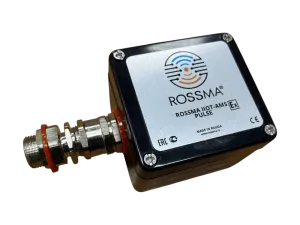
Autonomous Measuring and Switching Device ROSSMA® IIOT-AMS Pulse
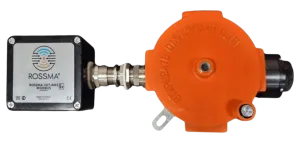
Autonomous Kit for Combustible Gas Concentration Monitoring (Gas Analyzer with LoRaWAN/NB-IoT)
Economics: Why It Pays Back in Months
Real figures from Western Siberia oilfield projects
| Parameter | Wired SCADA | ROSSMA IoT |
|---|---|---|
| Cost per wellpad | $30–60K (cables, cabinets, labor) | $10–15K (sensors + gateway) |
| Installation | 2–4 weeks (trenching) | 1–2 days (no cables) |
| Offline operation | Data transmission stops | Autonomous control via setpoints |
| Regulatory compliance | Paper inspection logs | Digital archive 24/7 with timestamps |
| Scaling | New project per wellpad | Add sensors in 15 minutes |
Proven Results
Questions Oil & Gas Operators Ask
What happens when connectivity is lost at a wellpad?
How does this integrate with our existing SCADA?
Which companies already use ROSSMA?
Why −55 °C instead of the standard −40 °C?
How are ROSSMA devices different from typical IoT sensors?
Why a single protocol for LoRaWAN, NB-IoT, and LTE?
How much does it cost to equip one wellpad?
Is there explosion-proof certification?
Discuss a Project for Your Oilfield
Learn how Gazprom Neft and LUKOIL already use ROSSMA, get a cost estimate for your facilities, and see a live platform demo