Utility Mesh Monitoring
Without Base Stations
Every ROSSMA MeshSens device is not just a sensor — it is a transceiver. Add a new node and the network expands automatically. No gateways, no SIM cards, no monthly fees. Our proprietary Mesh protocol at 868 MHz covers basements, manholes, and entire neighborhoods
Why Traditional IoT Fails in Utilities
Gateways, SIM cards, and cables are not designed for urban infrastructure
Gateways — Single Point of Failure
LoRaWAN systems depend on base stations. If one gateway fails, the entire monitoring segment goes offline. No gateway — no data.
Monthly Fees per Device
NB-IoT and LTE-M require a SIM card in every sensor. At 500 monitoring points, that is $500–1,500/month for connectivity alone — and these costs never end.
Blind Spots in Basements and Manholes
Concrete floors, steel hatches, and underground utilities block LoRaWAN and cellular signals. The most critical monitoring points become unreachable.
Water & Heat Losses of 20–40%
Without continuous monitoring, hidden leaks in underground pipelines go undetected for weeks — discovered from resident complaints, not telemetry data.
Manual Meter Reading
Field operators collect readings manually once a month. Slow, expensive, and provides no real-time visibility — failures are discovered only after damage occurs.
Expensive Scaling
Every new district requires new gateways, new configuration, new budget. Infrastructure cost grows linearly with the number of monitoring points.
MeshSens — How It Works
ROSSMA proprietary Mesh protocol: every device extends the network
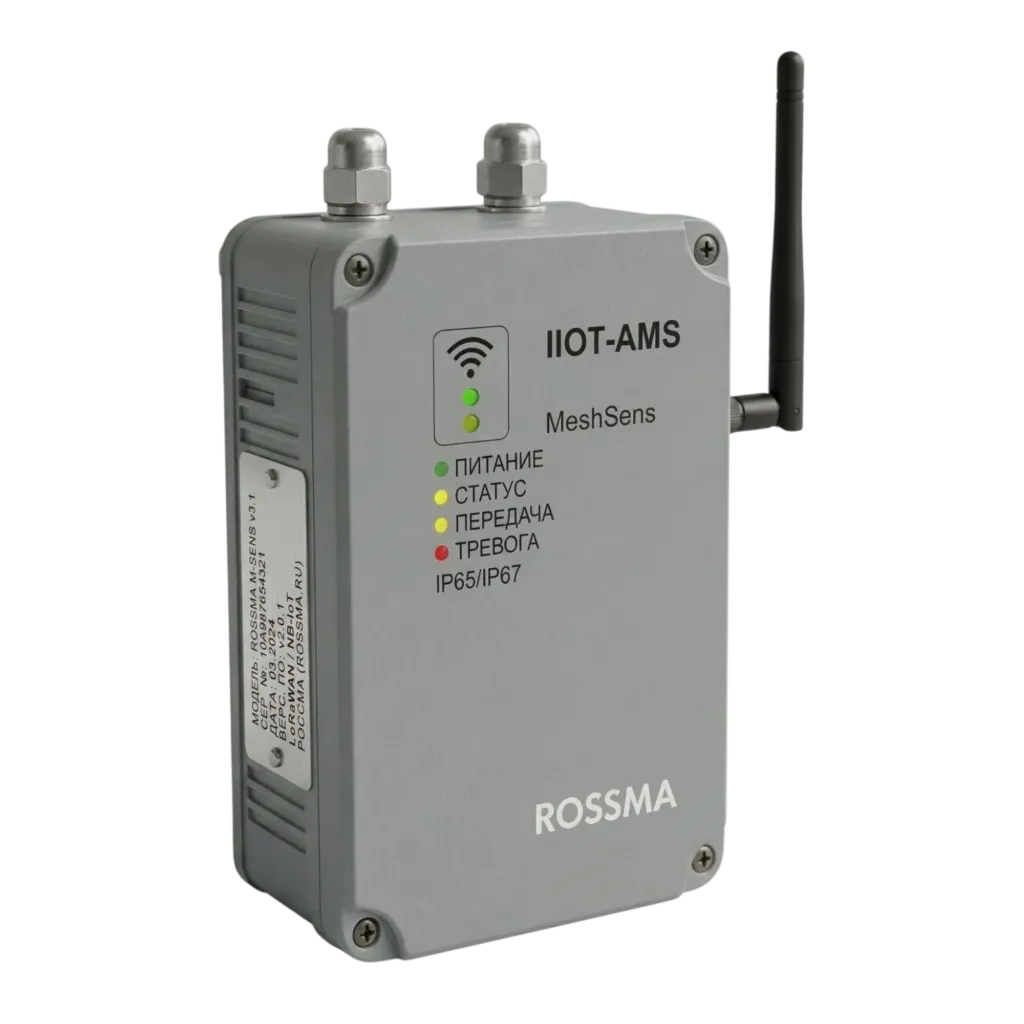
Mesh Without Base Stations
Every MeshSens is a transceiver. Data hops from node to node at 868 MHz (ISM band, no license required). Range between nodes: 200–1,500 m. Add a device — the network grows automatically.
Self-Healing Network
When a node fails, packets are automatically routed through neighboring devices. No single point of failure — the Mesh network keeps working even if several nodes go down.
$0/mo — No Hidden Costs
No SIM cards — no cellular fees. No gateways — no gateway infrastructure costs. The 868 MHz ISM band is license-free. You pay once for the hardware.
Any Metering Device
RS-485 (Modbus RTU), 4–20 mA, pulse inputs. Connects to any instrumentation: heat meters, water meters, electricity meters, pressure and leak sensors.
Solar Powered — Maintenance-Free
Built-in MPPT controller for solar panels. Autonomous operation without battery replacement. For basement nodes — lithium battery up to 5 years. Operating range −40 to +85 °C, IP65.
ROSSMA.NETS Cloud Platform
Dashboards, trends, alarms, automatic reports. Telegram bot for dispatchers. REST API and Modbus TCP for integration with AMR, ERP, and GIS systems.
Architecture: Mesh Network Without Gateways
Every node is a relay. The network self-organizes to cover basements, manholes, and entire districts
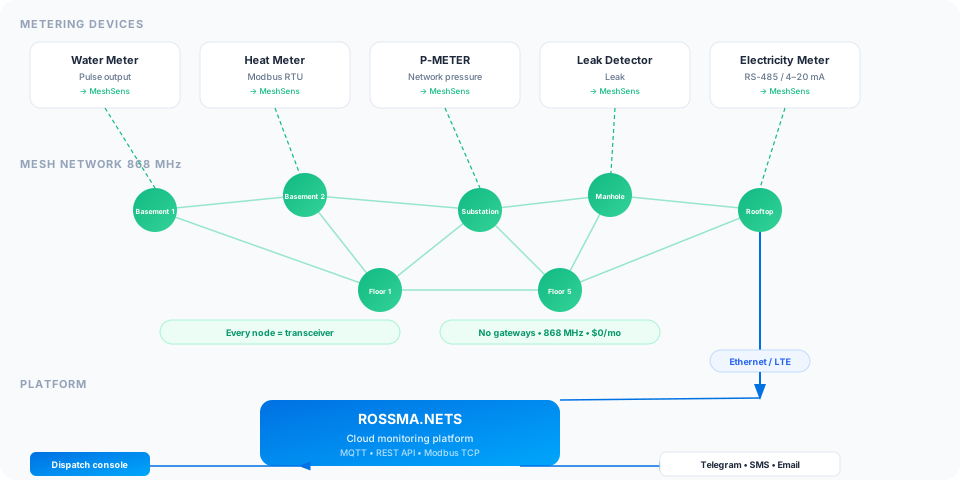
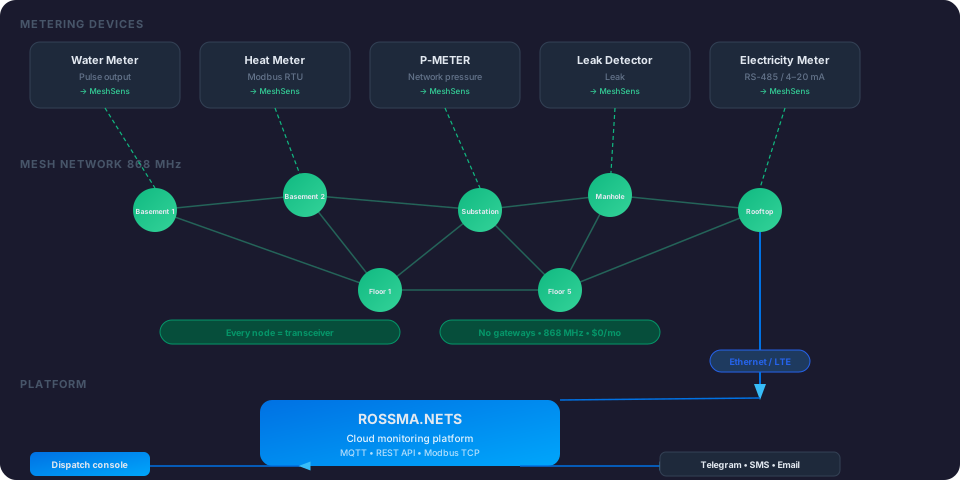
Mesh Monitoring Equipment
MeshSens and compatible sensors for utility infrastructure
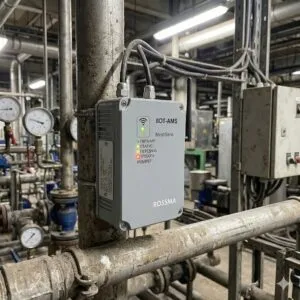
ROSSMA IIOT-AMS MeshSens — Utility Mesh Monitoring for Multi-Apartment Buildings
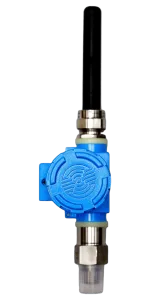
Autonomous Wireless Pressure Transmitter ROSSMA IIOT-AMS P-METER
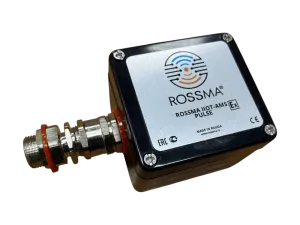
Autonomous Measuring and Switching Device ROSSMA® IIOT-AMS Pulse
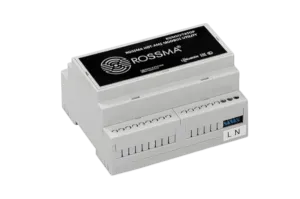
Switching Device ROSSMA® IIOT-AMS Modbus Utility
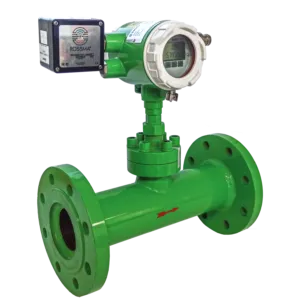
Autonomous Kit for Liquid Flow Monitoring
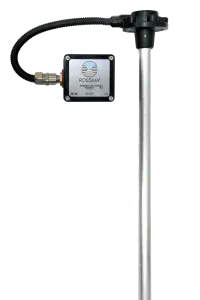
Autonomous Kit for Level Measurement
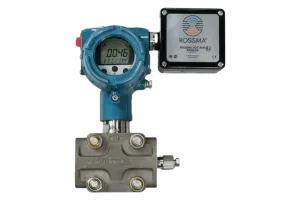
Autonomous Kit for Pressure Measurement
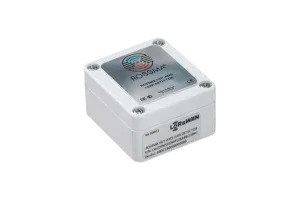
Autonomous Measuring and Switching Device ROSSMA® IIOT-AMS Leak Detector
Economics: MeshSens vs Traditional Solutions
Total cost of ownership comparison over 3 years for 100 monitoring points
| Parameter | MeshSens | LoRaWAN | NB-IoT |
|---|---|---|---|
| Base stations | Not needed | 1 per 500 m | Cellular network |
| Monthly fees | $0/mo | $0/mo | $1–3/device/mo |
| Gateway cost | $0 | $800–2,000 | — |
| Scaling | Add a node | New gateway | New SIM card |
| Basements & manholes | Mesh coverage | Blind spots | No signal |
| Single point of failure | None | Gateway | Carrier |
Key Economic Advantages
Frequently Asked Questions
How is MeshSens different from LoRaWAN?
How many devices can be in one Mesh network?
How does Mesh work in basements and manholes?
What metering devices are supported?
Is internet required for the network to work?
What is the device battery life?
How quickly can the system be deployed?
How is data security ensured?
Ready for Mesh Monitoring Without Gateways?
Get a MeshSens system quote for your utility infrastructure — from 10 points in one building to 500+ across a district